The Complete Maui Travel Guide: Where to Stay, What to Do, and How to Make the Most of Every Day
By The Global EditMay 10, 202615 min read
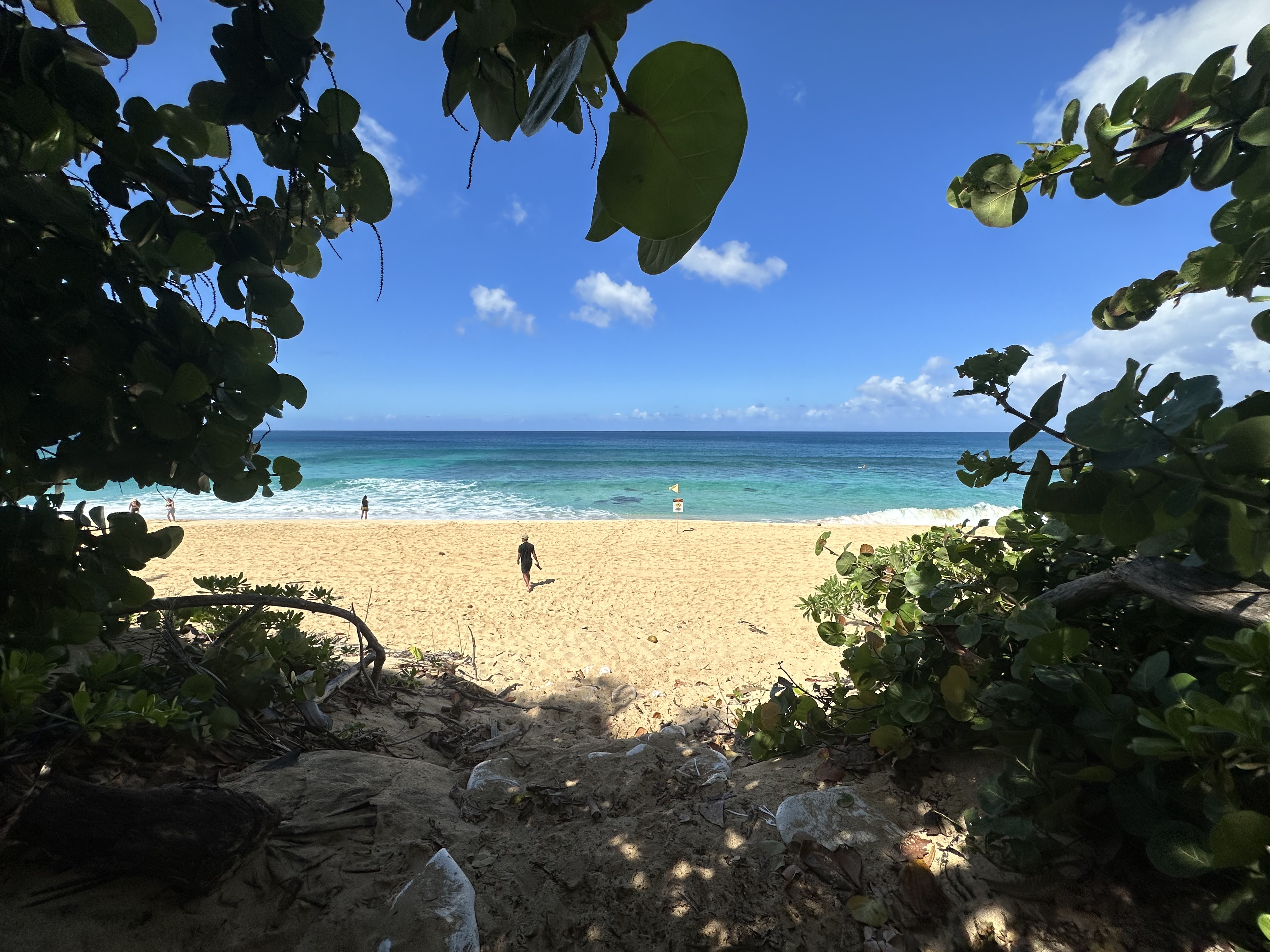
Maui is the second-largest Hawaiian island and the one that most consistently delivers on the promise people make to themselves when they first hear the word Hawaii. Dramatic volcano landscapes. Snorkeling with sea turtles in clear water. The world's most celebrated sunrise drive. A food scene that runs from roadside shave ice to Michelin-caliber dining.
It also has a reputation — earned — for being expensive, crowded at the wrong spots, and easy to get wrong if you don't know where to point yourself. This guide is about pointing you right.
Why Maui Stands Apart
Every Hawaiian island has its devotees, and the debates between them are passionate. But Maui occupies a specific position: it's the sweet spot between natural grandeur and genuine visitor infrastructure. The Road to Hana is the most celebrated coastal drive in the Pacific. Haleakalā is one of the largest dormant volcanoes on earth. The west coast has some of the best whale watching in the world.
And yet you can also find excellent coffee, world-class restaurants, well-designed resorts, and smooth logistics. For the majority of travelers — especially first-time Hawaii visitors — it's the right island to start with.
Maui Fast Facts
Area: 727 square miles · Main airport: Kahului Airport (OGG) · Peak season: June–August and December–January · Best weather: April–May and September–October · Whale season: December–April · Time zone: Hawaii–Aleutian Standard Time (no daylight saving)
How Long Should You Stay?
5 nights — The absolute minimum. Long enough to do the Road to Hana, a Haleakalā sunrise, and a few beach days. You'll feel like you just scratched the surface.
7–9 nights — The sweet spot for most travelers. Enough time to do everything meaningful without rushing any of it. This is the ideal length for a first-time visit.
10–14 nights — For slow travelers, honeymooners, and those who want to go deep. Two weeks on Maui doesn't feel like too long. The island rewards lingering.
💡
The Jet Lag Opportunity
Hawaii is 5–6 hours behind the US mainland. You'll naturally wake up at 4–5am local time for the first few days — exactly when you want to be leaving for Haleakalā sunrise. Use the jet lag rather than fighting it.
The Five Areas of Maui
Most popular · Resort central
West Maui (Lahaina, Kāʻanapali, Kapalua)
The historic heart of Maui's visitor industry. Kāʻanapali Beach is a long, wide arc of golden sand with excellent swimming. Kapalua, at the north end, is more upscale and quieter with exceptional snorkeling and the Ritz-Carlton.
Best for: Beach access, dining variety, resort amenities
Luxury epicenter · Sophisticated
South Maui (Wailea, Kīhei, Mākena)
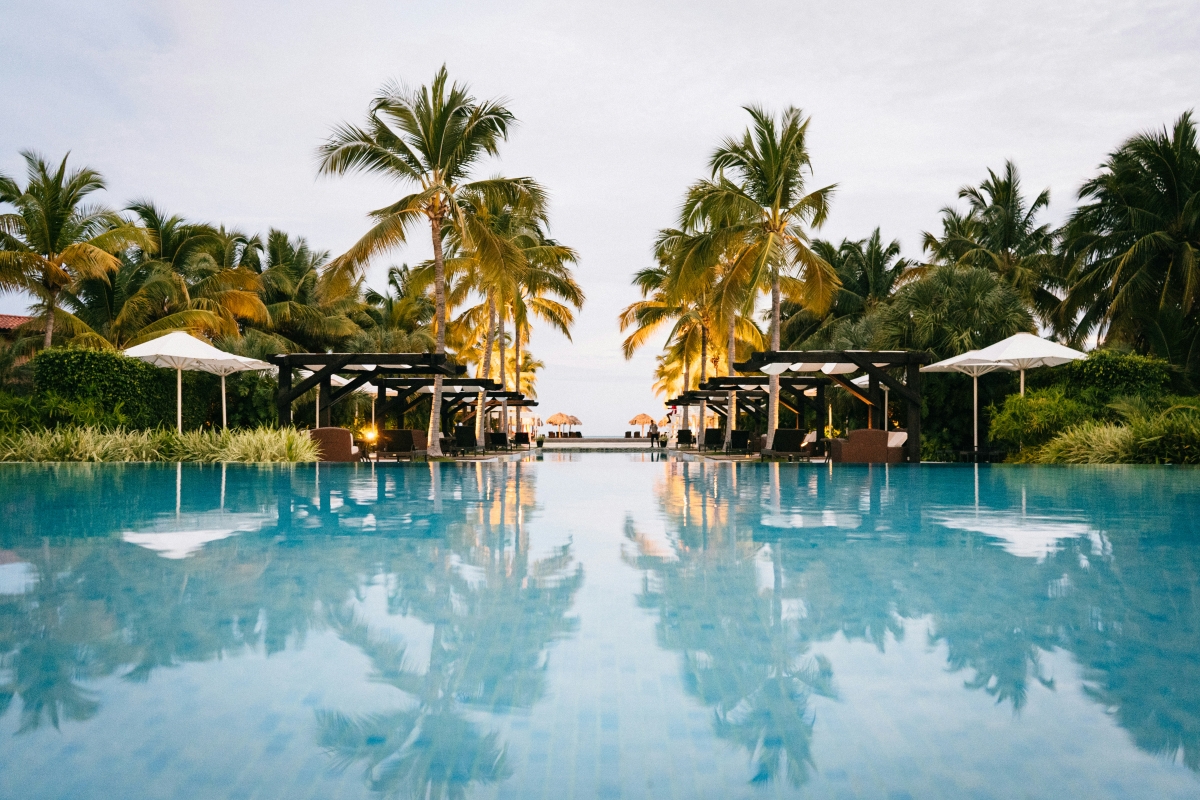
Wailea is Maui's luxury resort corridor — high-end hotels, championship golf, and manicured beaches. The water here is typically calmer and clearer than west Maui. Kīhei offers more affordable accommodation. Mākena, further south, has the dramatic Big Beach.
Best for: Luxury stays, calm water, snorkeling, couples
Authentic · Central hub
Central Maui (Kahului, Wailuku)
Where locals live and where visitors pass through. Where you gas up before the Road to Hana, find Costco for condo rental stays, and find Wailuku's authentic dining. Practical rather than beautiful, but increasingly interesting.
Best for: Budget accommodation, authenticity, island-wide exploration base
Remote · Adventurous · Upcountry
Upcountry Maui (Makawao, Kula, Haleakalā)
The elevated interior of Maui, where the landscape shifts from tropical coast to cool farm country. Lavender farms, cattle ranches, and roadside produce stands. At the top, Haleakalā National Park — the dormant volcano whose summit sits above the clouds at 10,023 feet.
Best for: Nature lovers, photographers, cooler temperatures
Wild · Off-grid · Authentic Hawaii
East Maui (Hāna, Kīpahulu)
The end of the Road to Hana and one of the most authentic corners of Hawaii remaining. Hāna town is small, unhurried, and deeply connected to Native Hawaiian culture. Accommodation is limited to the Hāna-Maui Resort and a handful of vacation rentals.
Best for: Couples, culture seekers, escaping resort Maui entirely
Best Areas by Travel Style
Primary recommendation: Wailea. The luxury resort corridor delivers everything a honeymoon demands — calm turquoise water, impeccable service, world-class dining. The Andaz Maui at Wailea, Four Seasons Maui, and Fairmont Kea Lani are all exceptional options. For a more intimate alternative, the Hāna-Maui Resort at the end of the Road to Hana is extraordinarily romantic and unlike anything in the resort corridor.
Primary recommendation: Kāʻanapali (West Maui). Kāʻanapali Beach is one of the most family-friendly beaches in Hawaii. The Hyatt Regency Maui has Drummond's Camp (the best kids' club on the island) and a nightly torch-lighting ceremony. The Grand Wailea in Wailea has one of the most elaborate pool systems in all of Hawaii — a multi-pool complex with waterslides that keeps kids occupied for days.
Primary recommendation: Kīhei. More affordable than Wailea with a walkable strip of restaurants and bars. For groups wanting the full experience, consider a vacation rental in Wailea or Kāʻanapali — a house sleeping 6-8 at a per-person cost that frequently beats hotel rooms. When deciding between a rental and a hotel, our Hotel vs. Airbnb vs. Hostel guide breaks down exactly when each option makes financial sense.
Primary recommendation: Kīhei or Kahului base with a rental car. Avoid the Wailea and Kāʻanapali resort areas for accommodation but visit their beaches freely — most resort beaches in Hawaii are legally public. Grocery shop at Costco or Safeway in Kahului. Most of Maui's best experiences — beaches, hiking, the Road to Hana — are free. Our 50/30/20 budgeting guide has a practical framework for carving out travel budget without sacrificing financial goals.
Primary recommendation: Upcountry base. Staying near Makawao or Kula puts you close to Haleakalā and positions you well for the Road to Hana day without the 90-minute drive from west Maui. Top outdoor experiences: Haleakalā sunrise (requires reservation at recreation.gov 60 days out), the Pipiwai Trail in Kīpahulu, snorkeling at Molokini Crater, windsurfing at Kanahā Beach.
Top Attractions and Experiences
01
Haleakalā Sunrise
Watching dawn break above the clouds from a 10,023-foot dormant volcano. Requires a $1 reservation at recreation.gov booked up to 60 days in advance. Arrive 30 minutes before sunrise. Bring a jacket — it gets cold.
02
Road to Hana
The legendary coastal drive — 64 miles, 59 bridges, 600 curves, and a waterfall around every bend. Plan a full day, leave by 6:30am, bring cash, and book the Waiʻānapanapa Black Sand Beach reservation 90 days in advance. See our full guide for everything you need.
03
Molokini Snorkeling
A half-submerged volcanic crater 3 miles off Maui's south coast with visibility to 150 feet. Only accessible by boat — book through Trilogy or Pride of Maui. Morning trips are significantly clearer than afternoon.
04
Whale Watching (Dec–Apr)
The waters off Maui's west coast are the primary calving and mating grounds for North Pacific humpback whales. Often visible from shore at Papawai Point. Pacific Whale Foundation runs ethical, research-focused tours.
05
Lānaʻi Day Trip
A 15-minute ferry from Lāhainā to a largely private island home to two exceptional Four Seasons resorts. Rent a 4WD Jeep, explore the backcountry, stop at Hulopoe Beach — arguably the most beautiful in Hawaii.
06
Pāʻia and the North Shore
The hip, bohemian counterpoint to Maui's resort areas. Excellent independent restaurants, surf shops, and a genuine local vibe. The right stop before the Road to Hana. Hookipa Beach just east is one of the world's great windsurfing spots.
The Food Scene
Tin Roof
Kahului · Casual · Cash and card
Chef Sheldon Simeon's fast-casual counter serving Maui's best plate lunch — garlic noodles, mochiko chicken, and the legendary tin roof bowl. Lines form early. One of the best meals on the island at any price point.
Mama's Fish House
Pāʻia · Fine dining · Reservation essential
Hawaii's most famous restaurant, operating since 1973. The menu names the fisherman who caught each fish. Book 3–4 weeks in advance — tables fill fast. Not cheap, absolutely worth it once.
Morimoto Maui
Wailea · Andaz Maui · Dinner only
Iron Chef Masaharu Morimoto's beachside restaurant at the Andaz Maui. Japanese-Hawaiian fusion executed with genuine craft. The beachside setting at sunset is one of the most romantic dinner settings on the island. Book 3–4 weeks out in peak season.
Pāʻia Fish Market
Pāʻia · Casual · Counter service
The best casual fish restaurant on the island. Fresh catches, straightforward preparations, excellent fish tacos. Two locations (Pāʻia and Kāʻanapali). Essential for lunch before the Road to Hana.
Lineage
Wailea · Modern Hawaiian · Dinner only
Chef Sheldon Simeon's more formal expression of Hawaiian cuisine. Family-style sharing dishes that tell the story of Hawaii's multicultural food history. One of the best dinners on the island.
Events Worth Planning Around
Jan–Mar
🐋
Humpback Whale Season Peak
January through March brings the highest whale densities. Book a Pacific Whale Foundation tour and spend time at Papawai Point overlook on the Honoapiʻilani Highway.
Apr–May
☀️
Shoulder Season — Best Overall Timing
Lower crowds, lower prices, excellent weather, and the tail end of whale season. Hotel rates drop significantly from peak. School is still in session so family crowds are lower. The sweet spot. Good time to book flights at lower rates too.
Jul
🎵
Maui Slack Key Guitar Festival
One of the finest celebrations of traditional Hawaiian music on any island. Free admission, held outdoors, featuring masters of the kihoʻalu tradition. A genuine cultural experience rather than a tourist production.
Sep–Oct
🌊
Second Shoulder Season
The ocean is at its warmest and calmest of the year in September, making it exceptional for snorkeling and water activities. Shoulder season savings at Wailea resorts can be substantial — 25–40% below peak rates.
Best Resorts for Every Budget
Luxury · $700–1,200+/night
Four Seasons Resort Maui at Wailea
Wailea, South Maui
The finest resort on the island by most measures — service, food, beach position, and attention to detail. Three restaurants including Spago. Worth every dollar if the budget permits.
CouplesHoneymoonTop pick
Luxury · $600–900/night
Andaz Maui at Wailea
Wailea, South Maui
Hyatt's lifestyle brand at its best — restrained luxury, beautiful design, three pools, and Morimoto Maui on the beach level. Bookable on World of Hyatt points (Category 6, 22,000 pts/night). See our full Andaz Maui review for the complete breakdown.
CouplesPoints redemptionBest points value
Luxury · $500–800/night
Fairmont Kea Lani
Wailea, South Maui
All-suite and villa resort — the only all-suite luxury resort in Hawaii. Every accommodation is a suite with a private plunge pool on the villa level. Excellent for families who want luxury without sacrificing space.
FamiliesCouples
Upper midscale · $400–650/night
Hyatt Regency Maui Resort and Spa
Kāʻanapali, West Maui
The best family resort on Maui's west side. Drummond's Camp kids' club, a lazy river, multiple pools, and nightly torch-lighting. Bookable on World of Hyatt points (Category 5, 17,000 pts/night).
FamiliesPoints redemption
Best value · $150–280/night
Kīhei Condo Rentals (VRBO)
Kīhei, South Maui
Not a resort but the smartest move for budget-conscious travelers. Fully equipped condos near the beach in Kīhei at per-night rates that make the resort alternatives look absurd. See our Hotel vs. Airbnb guide for how to evaluate the true cost.
BudgetFamiliesGroups
Getting Around
Rent a car. Non-negotiable. Maui has no meaningful public transit and the experiences that define the island — the Road to Hana, Haleakalā, the Upcountry, Big Beach — are inaccessible without one. Book your rental car before you book your hotel.
You don't need a 4WD. The Road to Hana is navigable in any standard vehicle. A compact is actually easier on the narrow one-lane bridges than an SUV.
The Honoapiʻilani Highway gets genuinely congested in the morning and late afternoon. Plan drives to avoid 7–9am and 4–6pm.
Your Maui Pre-Trip Checklist
Maui Trip Planning Checklist
0 of 10 completed
Maui is the kind of place that becomes a reference point. Plan well. Leave early. Stay longer than you think you need to. Maui will do the rest.
Editorial Disclosure: This article was written with the assistance of artificial intelligence and reflects the author's honest research, experience, and editorial judgment. AI-assisted content on The Global Edit is always reviewed, edited, and approved by our editorial team before publication.