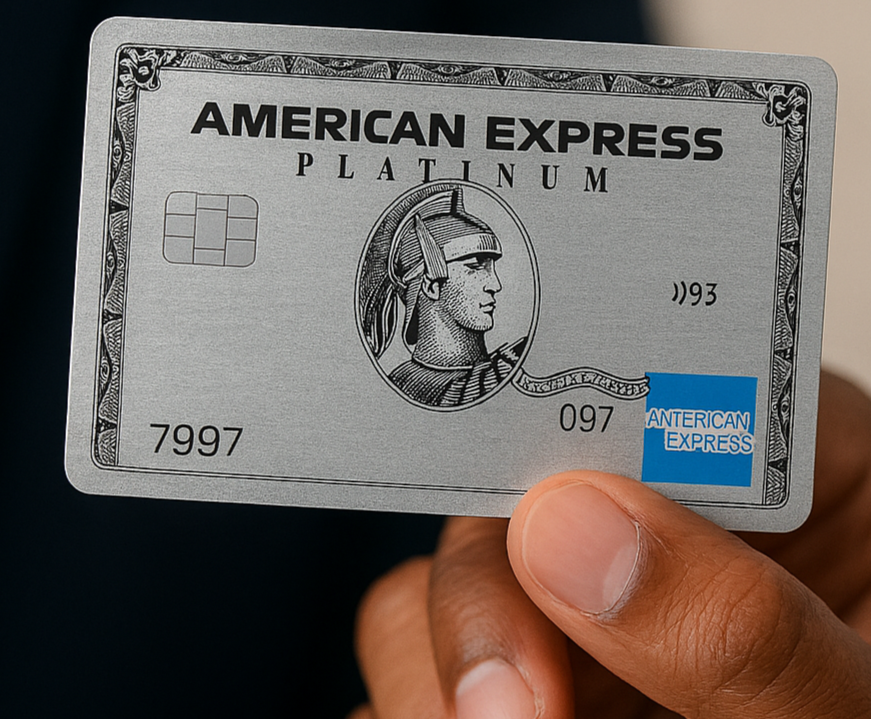
The American Express Platinum Card has a $895 annual fee. That number either stops you cold or it doesn't — and which camp you fall into depends entirely on how you travel and how intentional you are with the benefits you're paying for.
Here's the honest version: the Amex Platinum is not a card for everyone. It is, however, one of the best-value cards on the market for a specific type of traveler — someone who flies regularly, stays in hotels, eats out often, and has the organizational discipline to actually use the credits before they expire. If that's you, the math works comfortably in your favor. If it's not, you'll spend $895 and wonder what the point was.
This breakdown covers every meaningful benefit, what each one is actually worth in practice, and the clear-eyed verdict on who should carry it.
Annual fee: $895 · Additional cardholder fee: $195 · Earning rate: 5x on flights and prepaid hotels via Amex Travel · Potential annual credit value: $3,500+ · Enrollment required for most benefits — don't skip this step.
What You're Actually Paying For
The Amex Platinum bundles together a large stack of statement credits, premium travel perks, and elite status across multiple programs. On paper, the total value well exceeds the fee. In practice, value depends on which credits you'll realistically use.
Here's the full credit stack for 2026:
| Benefit | Annual Value |
|---|---|
| Hotel Credit (Fine Hotels + Resorts / Hotel Collection) | $600 |
| Resy Dining Credit | $400 |
| lululemon Credit | $300 |
| Digital Entertainment Credit | $300 |
| Equinox Credit | $300 |
| Uber Cash + Uber One | $320 |
| Airline Incidental Credit | $200 |
| Oura Ring Credit | $200 |
| CLEAR+ Credit | $209 |
| Walmart+ Credit | $155 |
| Global Entry / TSA PreCheck Credit | ~$35 (amortized) |
| Total potential value | $3,319+ |
That's before lounge access, hotel elite status, or the welcome bonus. The fee is $895. The arithmetic is obvious — if you use most of these, you're ahead by a wide margin.
The challenge is that several credits are narrow in scope, require enrollment, and reset quarterly or semi-annually. Miss a reset window and that value disappears. Treat the credits as a discipline exercise and the card pays for itself several times over.
The Travel Credits That Matter Most
Hotel Credit — $600/year
This is the highest-value single credit on the card and the one most worth optimizing around. You receive up to $300 in statement credits semi-annually on prepaid Fine Hotels + Resorts (FHR) or The Hotel Collection (THC) bookings made through Amex Travel. The Hotel Collection requires a minimum two-night stay.
Fine Hotels + Resorts is genuinely excellent. Book a stay through it and you receive the $600 credit (across both halves of the year), plus a suite of on-property benefits averaging around $550 in additional value per stay — including noon check-in, guaranteed 4pm late checkout, daily breakfast for two, a property-specific amenity credit, and room upgrades when available.
For travelers who would book luxury hotels anyway, this is stacking credit reimbursement on top of tangible upgrades. The network covers over 1,500 properties globally.
Book the first half of your hotel credit before June 30 and the second before December 31. You can book future stays now to use the current credit window — the stay itself doesn't have to happen in the same period as the booking.
Airline Incidental Credit — $200/year
You choose one airline at enrollment, and the card reimburses up to $200 per calendar year in incidental fees — checked bags, seat upgrades, in-flight purchases, and lounge day passes. It doesn't cover the cost of the ticket itself.
The limitation here is real: one airline, incidentals only. If you're loyal to a single carrier, this is easy money. If you spread your flying across multiple airlines, you'll leave some of it on the table. Choose wisely at enrollment.
CLEAR+ Credit — $209/year
CLEAR+ costs $189/year (price subject to change), and the Amex Platinum covers the full annual membership. This alone is worth the cost to anyone who travels through a CLEAR-enabled airport regularly — which now includes most major U.S. hubs. Skip the identity verification line entirely, go straight to TSA. If you're flying more than a handful of times a year, this is one of the easiest credits to use.
Global Entry / TSA PreCheck Credit
Every four to five years, the card reimburses the application fee for Global Entry ($120) or TSA PreCheck ($85). Global Entry includes PreCheck, so apply for that. Amortized over five years, it's about $24/year in value — not a headline number, but a real one.
Lounge Access — The Centurion Advantage
This is where the Amex Platinum genuinely separates itself from every other card on the market. The Global Lounge Collection includes:
- Centurion Lounges — Amex's own flagship lounges, widely considered the best credit card lounges available. Full hot food menu, premium bar, spa services at select locations. Access is unlimited for the cardholder with a same-day boarding pass.
- Priority Pass Select — Over 1,300 partner lounges globally. Requires enrollment.
- Delta Sky Club — 10 complimentary visits per year when flying a same-day eligible Delta flight.
- Plaza Premium and other partners — Additional coverage at airports not served by Centurion or Priority Pass.
"The Centurion Lounge at SFO, DFW, or JFK alone can justify the card for someone who travels through those airports even six times a year."
A note on the guest policy: Centurion Lounge guest rules have tightened over the years. Currently, guests generally require a paid same-day ticket or an additional fee. Verify the exact policy before assuming you can bring a travel partner in for free.
For frequent flyers, particularly those who connect through major hubs, unlimited Centurion access adds up to real money — and more importantly, real comfort. Showing up two hours before a flight stops being something to dread.
Hotel Status and Fine Hotels + Resorts
Complimentary Hilton Honors Gold Status
Enrollment unlocks automatic Hilton Honors Gold, which is the second-highest tier in the Hilton program. Benefits include an 80% bonus on base points earned per stay, complimentary breakfast or food and beverage credit at most full-service properties, room upgrade eligibility, and a 5th night free on reward stays of five or more nights.
Gold requires 20 stays or 40 nights to earn through normal qualification. Getting it for free through the Platinum is a genuine shortcut — particularly for anyone who travels often enough to benefit from breakfast and upgrades but not often enough to hit Gold organically.
Complimentary Marriott Bonvoy Gold Elite Status
Marriott Bonvoy Gold Elite mirrors the theme — it's the mid-tier status earned automatically through the card, without the 25 qualifying nights normally required. You receive 25% bonus points on eligible stays, room upgrade eligibility, and late checkout when available.
Worth noting: Marriott Gold is a solid baseline, but it's not a top-tier status. Upgrades and late checkout happen at the hotel's discretion. If you're a frequent Marriott guest, the card's status is a useful floor — but don't expect the benefits you'd get at Platinum or Titanium.
Leaders Club Sterling Status
The card also includes complimentary Leading Hotels of the World Leaders Club Sterling membership, with priority 2pm late checkout and upgrade eligibility at that portfolio of independent luxury properties.
The Lifestyle Credits — Useful or Filler?
This is where honest analysis diverges most sharply from promotional copy. The lifestyle credits are real money — but they're only worth the full face value if they cover things you'd already buy.
Resy Dining Credit — $400/year ($100 per quarter) One of the stronger lifestyle credits on the card. Resy is a dining reservation platform that covers a wide range of quality restaurants in major U.S. cities. If you eat out regularly in a city with strong Resy coverage — New York, LA, Chicago, Miami — this is easy to use. If you're in a market with limited Resy presence, the credit becomes harder to exhaust.
lululemon Credit — $300/year ($75 per quarter) $75 quarterly toward lululemon purchases. If you already buy lululemon gear, this is free money. If you don't, it's a nudge to start. The gear is high quality and the credit is enough for a solid single item per quarter. Not filler for the right person.
Digital Entertainment Credit — $300/year ($25/month) Covers eligible streaming and digital services — Disney+, Hulu, ESPN+, Peacock, The New York Times, SiriusXM, and others. At $25/month toward subscriptions you likely already have, this is quietly one of the most useful credits on the card. It doesn't require any behavioral change to redeem.
Equinox Credit — $300/year Covers Equinox gym membership or the Equinox+ digital subscription. If you're an Equinox member — or would be — this effectively halves the cost. If you're not, it doesn't move the needle.
Uber Cash + Uber One — $320/year $15 per month in Uber Cash plus a $20 bonus in December, totaling $200 in rides and Eats. Plus up to $120 covering the Uber One membership. If you use Uber or DoorDash regularly, this is automatic value. The credits don't roll over, so they need to be used each month.
Walmart+ Credit — $155/year Covers the monthly Walmart+ membership fee at $12.95/month. If you use Walmart for grocery delivery or online shopping, this is one of the cleanest credits on the card — it requires zero thought once enrolled.
Oura Ring Credit — $200/year One-time annual credit toward an Oura Ring purchase. An Oura Ring costs $299–$399 depending on model. If you're in the market for a health tracker, this takes a meaningful chunk off. If you already own one or have no interest, it's zero value to you.
Most credits require individual enrollment in your Amex account before they activate. Log into americanexpress.com, navigate to Benefits, and enroll in every credit within the first week of getting the card. Credits can't be applied retroactively to purchases made before enrollment.
Earning Membership Rewards Points
The Amex Platinum earns at a straightforward rate:
- 5x points on flights booked directly with airlines or through AmexTravel.com (up to $500,000 in purchases per year)
- 5x points on prepaid hotels booked through AmexTravel.com
- 1x points on all other purchases
The 5x rate on flights is the best earning rate available on any premium card for that category. Membership Rewards points transfer to a wide range of airline and hotel partners at 1:1 ratios — including Air Canada Aeroplan, ANA, British Airways Avios, Delta SkyMiles, Flying Blue (Air France/KLM), Singapore Airlines KrisFlyer, Marriott Bonvoy, and Hilton Honors among others.
The honest limitation: outside of flights and Amex Travel hotels, the card earns 1x on everything else. For everyday spending categories like dining, groceries, or gas, other cards outperform it significantly. The Amex Platinum is not a card you reach for at the grocery store — it's a card you put your flight purchases on and use for the access and credits it provides.
Who Should Actually Carry This Card
Carry the Amex Platinum if:
- You fly at least 6–8 times per year through airports with Centurion Lounges
- You'll use the hotel credit — two FHR or Hotel Collection stays per year covers nearly $600
- You're in a major city with strong Resy coverage
- You already pay for Walmart+, streaming subscriptions, or Uber regularly
- You want automatic Hilton and Marriott Gold status without earning it
Skip the Amex Platinum if:
- You fly infrequently or mostly through smaller airports without Centurion Lounges
- You're not a hotel person — the $600 hotel credit requires booking through Amex Travel
- You hate managing quarterly credits and expiry windows
- You prioritize everyday earning over travel-specific perks
- The $895 fee would strain your budget before the credits are used
The card rewards organized, frequent travelers. It punishes the disorganized and the occasional flyer equally.
Amex Platinum vs Chase Sapphire Reserve
The natural comparison. Both are premium travel cards. The fundamental difference comes down to flexibility vs. lounge access.
The Chase Sapphire Reserve carries a $795 annual fee — $100 less than the Platinum. It earns 3x on travel and dining (vs. 1x on both for the Platinum), which makes it a stronger everyday earner. Its $300 travel credit is broader and more flexible than most of Amex's narrow category credits. Chase Ultimate Rewards transfers to Hyatt — still the best hotel transfer partner in the points world.
The Amex Platinum wins decisively on lounge access (Centurion vs. Priority Pass), the depth of its credit stack, and the hotel status benefits. The Chase Reserve wins on everyday earning and transfer partner value through Hyatt.
Serious travelers often carry both. If you're choosing just one: Chase Sapphire Reserve is the better everyday card. The Amex Platinum is the better card if you're optimizing specifically around lounge access and the credit stack.
The Final Edit
The Amex Platinum is a legitimate premium card with a legitimate premium fee — and unlike some cards that have inflated their fees faster than their benefits, the credit stack here can genuinely outpace $895 for the right cardholder.
The critical variable is you. Be honest about how you actually travel and spend. A frequent flyer who books two Fine Hotels + Resorts stays per year, holds a Walmart+ subscription, streams regularly, eats out often, and flies through hub airports has an easy path to $1,500+ in net value after the fee. Someone who carries the card hoping to justify it will struggle.
Our verdict: get this card if you'll use the hotel credit, the lounge access, and at least three or four of the lifestyle credits without forcing your behavior to match the benefits. Skip it if you're working backwards from the fee. The credits are only worth what you'd have spent anyway.
If you're new to premium cards and not sure where to start, the Chase Sapphire Reserve is the more forgiving entry point. The Platinum rewards the organized traveler who has already figured out the game.
Card benefits, fees, and offers are subject to change — always verify current terms directly with American Express before applying. The Global Edit may earn a commission if you apply for a card through links on this site. This does not influence our recommendations or editorial verdict.
Editorial Disclosure: This article was written with the assistance of artificial intelligence and reflects the author's honest research, experience, and editorial judgment. AI-assisted content on The Global Edit is always reviewed, edited, and approved by our editorial team before publication.