The alarm went off at 3am. The hotel room was dark, the bed was comfortable, and for a moment it felt genuinely insane to be doing this. We'd been in Maui for three days, the kind of trip where the rhythm of beach mornings and long lunches starts to feel permanent. And here we were, lacing up shoes in the dark, trading that for a two-hour drive up the side of a dormant volcano.
It was absolutely worth it.
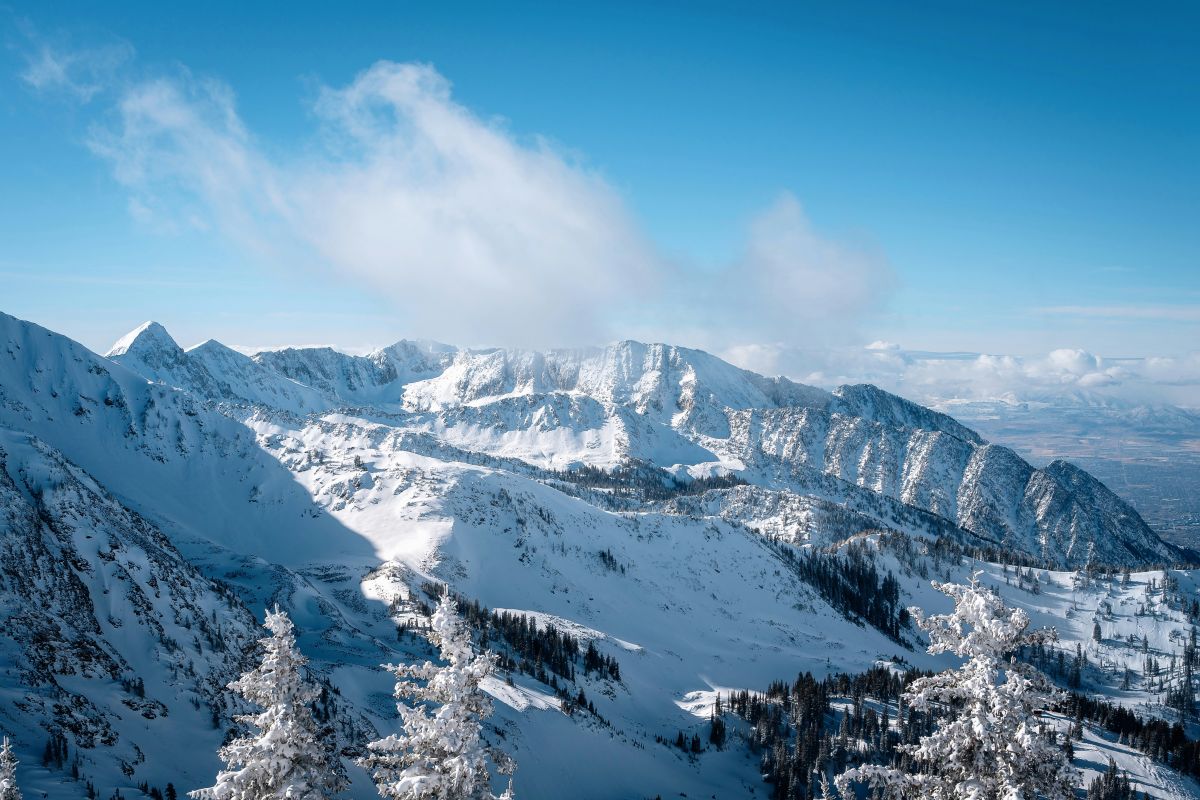
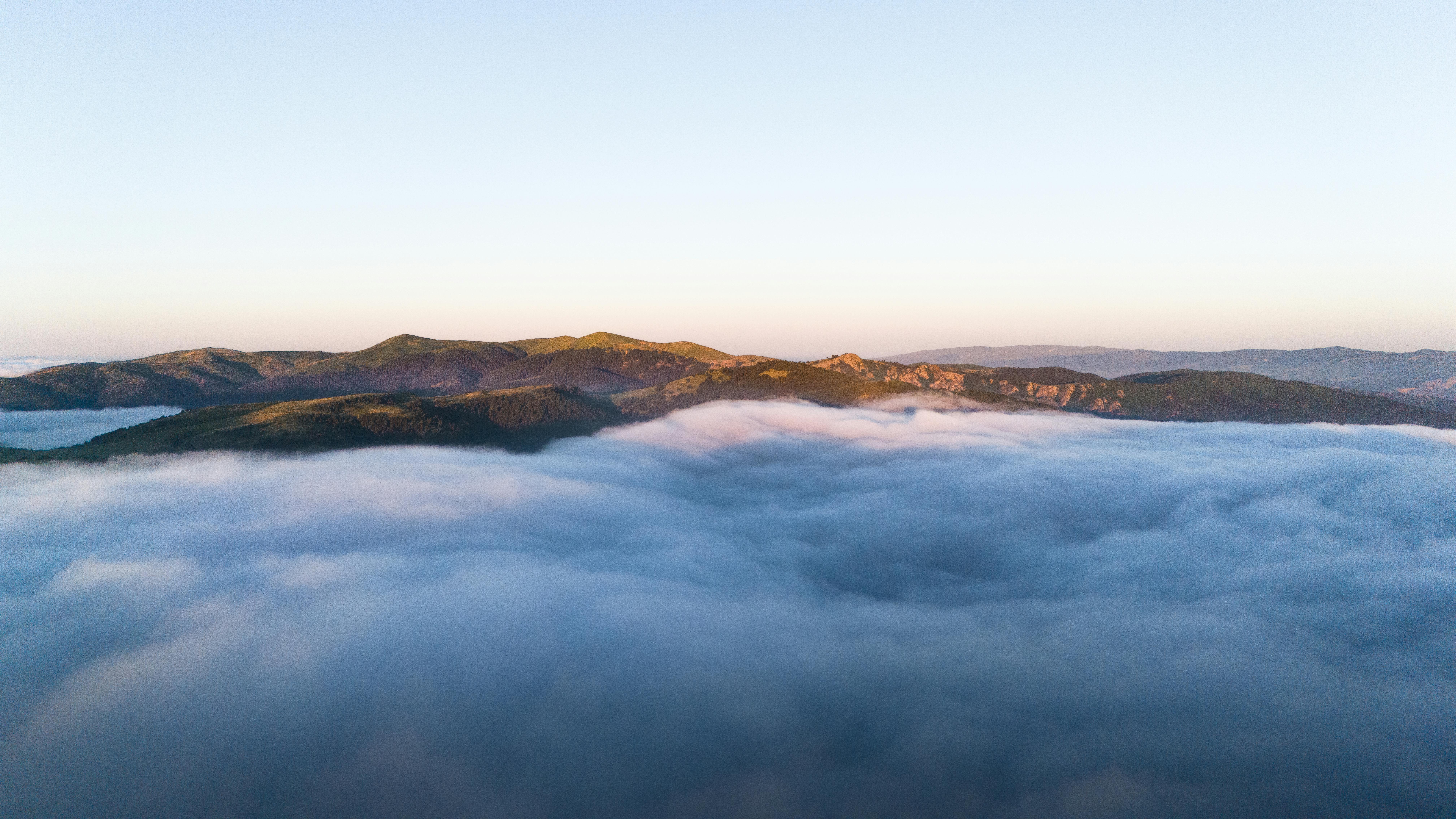
Standing at the summit of Haleakalā as the sky shifted from black to deep purple to a band of burning orange — with a sea of clouds stretched out 3,000 feet below us — was one of those moments that doesn't translate well into photos. You just had to be there. And if you're planning a Maui trip, you should be.
This guide covers everything: the reservation system, the drive, what to wear, and how to structure your day so the 3am wake-up doesn't wreck you.
Why Haleakalā Sunrise Is Worth It
Haleakalā — pronounced hah-lay-ah-kah-LAH, meaning "House of the Sun" in Hawaiian — is a massive shield volcano that forms the eastern bulk of Maui. Its summit sits at 10,023 feet above sea level, which puts it above the cloud layer on most mornings. That's the thing that makes this sunrise different from any other: you're not watching the sun rise over the horizon. You're watching it rise above a floor of clouds while you stand in cold, thin air, surrounded by a landscape that looks more like Mars than Hawaii.
"We weren't watching the sunrise so much as watching the world below us wake up. The clouds caught the light before anything else did."
The colors move fast. The whole show — from first light to full sunrise — takes maybe 20 minutes, and the transitions happen quickly. Deep indigo gives way to violet, then a thin line of gold appears on the horizon, then orange bleeds across the sky, and suddenly the sun is up and the temperature drops another few degrees as the wind picks up.
It's also worth noting what Haleakalā is culturally. This summit is sacred in Native Hawaiian tradition — it's where the demigod Māui is said to have lassoed the sun to slow its journey across the sky. The National Park treats it accordingly, and so should visitors.
The Reservation System (Don't Skip This)
This is the most important practical detail in this entire guide: you need a reservation to enter Haleakalā National Park for sunrise, and you need to book it in advance.
The National Park Service requires a timed entry reservation for the summit district between 3:00am and 7:00am. Reservations open 60 days in advance at exactly midnight Hawaii Standard Time, and they sell out within minutes for popular dates — sometimes within seconds.
Book at recreation.gov — search "Haleakalā National Park sunrise." Reservations open 60 days in advance at midnight HST. The fee is $1 per reservation plus the park entrance fee ($30 per vehicle, valid for 3 days). Set a calendar reminder and be ready at your computer the moment they open.
A few things to know about the reservation system:
Set your alarm for 11:45pm the night reservations open. Hawaii doesn't observe daylight saving time, so double-check the time conversion from wherever you're booking. Missing by even a few minutes means you're likely shut out.
Book before you book flights. Seriously. If a Haleakalā sunrise is on your must-do list, check reservation availability before you finalize your travel dates. There's no point arriving on a Tuesday if every Tuesday for the next two months is already gone.
If you missed reservations, check back. Cancellations happen. Check recreation.gov in the days leading up to your trip — particularly 1–2 days before, when people who couldn't make the trip start releasing their spots.
The reservation is date-specific and non-transferable. You can't use a Tuesday reservation on Wednesday. Plan accordingly.
If you're staying at the Andaz Maui or another resort in Wailea, ask the concierge about guided sunrise tours. They often have reserved slots that individual travelers can't access, and the guides add context about the geology and Hawaiian culture that makes the experience richer.
What Time to Wake Up and Leave
Plan to wake up at 3:00am and leave your hotel no later than 3:15am.
That sounds brutal, and it is, but here's the math: the drive from Wailea or Kihei to the summit takes approximately 1 hour 45 minutes to 2 hours depending on traffic and how cautious you drive the upper switchbacks. Sunrise times vary by season — check the exact time for your date at the National Park website — but you need to be at the summit at least 30 minutes before sunrise to park, find a viewing spot, and let your eyes adjust to the dark.
Arriving late is genuinely heartbreaking. We spoke to a couple at the summit who pulled into the parking lot just as the first light broke and spent the entire sunrise frantically looking for a spot to stand. Don't be them.
Here's a workable timeline:
- 3:00am — Alarm. Dress immediately (clothes laid out the night before).
- 3:15am — In the car, snacks in hand.
- ~5:00am — Arrive at summit parking lot.
- 5:00–5:30am — Find your viewing spot, let your eyes adjust, take it all in before the crowds settle.
- ~5:45–6:15am — Sunrise (varies by season — confirm your date).
- 7:00am — Begin the drive back down.
- ~8:45am — Back at the hotel.
That gets you to breakfast by 9am and leaves the rest of the day entirely intact — including a very justified nap before hitting the beach or pool.
What to Wear (It's Colder Than You Think)
This cannot be overstated: it is cold at the Haleakalā summit. We're talking genuine cold — not "bring a light layer" cold, but "I wish I had a proper winter jacket" cold.
At 10,000 feet, temperatures at sunrise regularly sit between 30°F and 50°F (-1°C to 10°C), and the wind makes it feel colder. You'll be standing still for 30–60 minutes. The contrast with sea-level Maui temperatures is jarring — you might leave your hotel in 75°F weather and arrive at the summit in conditions that feel like a cold November morning in the Midwest.
Heavy jacket or fleece, long pants, warm socks, gloves, a beanie or hat, and a windproof layer if you have one. Bring a blanket if you have space — wrapping up while you wait for sunrise is not overkill. Hot coffee in a thermos is one of the best decisions you can make the night before.
The classic Maui visitor mistake is wearing flip flops and a hoodie. Don't. Layer up like you mean it. You can always take layers off on the drive back down as the temperature climbs again.
Elevation also means thinner air. At 10,023 feet, there's about 30% less oxygen than at sea level. You probably won't feel altitude sickness — it's not high enough to be dangerous for most people — but you may feel slightly short of breath if you move quickly. Walk slowly, don't rush, drink water.
Driving Up the Summit Road
You'll drive Highway 37 to Highway 377 to Haleakalā Highway (Highway 378) — the road that takes you all the way to the summit. The upper section of Highway 378 is a series of tight switchbacks with no guardrails in places, and you'll be doing this in complete darkness.
Drive slowly and use your headlights on high beam when there's no oncoming traffic. The road is well-maintained, but the switchbacks are tight and the drop-offs are real. Give yourself more time than you think you need — arriving at the summit with 45 minutes to spare is far better than rushing the final stretch.
Fill your gas tank the night before. There are no gas stations on the summit road. The last reliable stop is in Pukalani on your way up.
Your phone GPS works, but confirm the route beforehand. Download an offline map in case signal is spotty in the upper sections. The route is straightforward, but the last thing you want at 4am is uncertainty about which turn to take.
One thing we noticed driving up: the stars. Pull over at a safe turnout somewhere between 7,000 and 9,000 feet and look up. Above the cloud layer, with zero light pollution, the Milky Way is visible on clear nights in a way that most people never see in their lifetime. It's worth a five-minute stop.
What to Expect at the Top
The summit parking lot fills up fast. Get there early, park, and then walk to the viewing area near Pu'u 'Ula'ula (Red Hill) — the highest point on Maui. There's a glass-enclosed shelter at the very top that blocks the wind, but most people prefer to stand outside for the unobstructed view.
Find your spot and wait.
The light changes slowly at first, then all at once. For the first 30–40 minutes after you arrive, the sky is just very dark with a lot of stars. Then, almost imperceptibly, the eastern horizon starts to separate from the sky — a thin, dark line that slowly becomes a gradient. The clouds below start to take shape. And then the color comes.
"Standing above the clouds at 10,000 feet, watching the sun come up over the horizon while the entire island of Maui sat below us — there's nothing else like it."
The crowd is quiet in a way that feels deliberate. People are genuinely moved by what they're seeing. We stood next to strangers for an hour and nobody said much of anything — not because it was awkward, but because there wasn't anything useful to say.
After the sun is fully up, stay for a few minutes to watch the light change on the crater below. The Haleakalā crater is 7 miles wide and 2,600 feet deep — it's otherworldly in the morning light, with cinder cones casting long shadows across the rust-colored floor.
Ranger programs: Park rangers often hold a brief sunrise program at the summit. It's worth attending — they talk about the geology, the ecology of the summit ecosystem (the silversword plant, which grows nowhere else on Earth, lives up here), and the cultural significance of the site.
After the Sunrise — Making the Most of Your Day
Here's the part nobody tells you: the drive back down is beautiful in a completely different way. Going up in the dark, you see nothing but your headlights and the switchbacks. Coming down in full morning light, the views of the island are spectacular — you can see both coastlines from the upper sections on a clear day.
The rest of the day is yours. When we got back to the hotel around 8:45am, we had breakfast, slept for about two hours, and then spent the afternoon at the beach and pool. The nap is not optional — it's earned and necessary, and two hours is enough to feel human again without throwing off your sleep schedule entirely.
If you want to extend the morning rather than heading straight back, a few options:
Breakfast in Makawao or Paia — both are charming upcountry towns on the way back down. Makawao has good coffee shops and Paia has excellent breakfast spots. Both are worth a stop if you're not exhausted.
Hike in the park — the Sliding Sands Trail descends into the crater from the summit visitor center. You don't need to hike far to feel like you're on another planet. Even a mile in and back is worth it. Just remember you'll be climbing back out at altitude after no sleep.
Bike down — several operators offer guided downhill bike tours from the summit. You get dropped at the top, and you coast down 38 miles of road back toward the coast. We didn't do this but heard consistently good things from other travelers.
Practical Tips and Common Mistakes
Don't rely on the weather. Haleakalā is above the clouds most mornings, but not every morning. On overcast days, the summit itself can be socked in with clouds and you won't see anything. Check the National Park Service's summit weather forecast the evening before — if the forecast shows clouds at the summit level (not below it), consider whether it's worth the 3am wake-up. That said, conditions change fast and many people show up to clouds and end up with a clear sunrise anyway.
Respect the cultural site. The summit is sacred in Native Hawaiian tradition. Stay on marked trails, don't remove rocks or plants, and keep the noise down. The quiet at the summit is part of what makes the experience special.
The $30 park entrance fee covers three days. If you're planning to come back to hike or explore the crater in daylight — which is worth doing — your entrance fee covers multiple visits within the three-day window. Keep your receipt.
Don't rush the drive down. After sunrise, everyone leaves at once. The switchbacks are tight and there's no passing. Leave a few minutes after the crowds start moving, or stay at the summit a little longer to let the traffic clear.
Combine it with the Road to Hana. If you're planning both — and you should — do Haleakalā first, earlier in your trip. The Road to Hana is a full-day commitment and you'll want to be fresh for it. We cover everything you need to know in our Road to Hana guide.
Haleakalā is one of those rare travel experiences that lives up to — and exceeds — the hype. The 3am alarm is hard. The cold is real. But standing above the clouds as the sun comes up over the Pacific, on a volcano in the middle of the ocean, is something you won't forget. Plan it right, dress warm, and get there early.
The rest of your Maui trip will feel like a very comfortable reward.
Planning your full Maui trip? Start with our Complete Maui Travel Guide for everything from where to stay to what to eat. And if you're using points to fund the trip, our World of Hyatt guide covers how to make properties like the Andaz Maui nearly free.
Editorial Disclosure: This article was written with the assistance of artificial intelligence and reflects the author's honest research, experience, and editorial judgment. AI-assisted content on The Global Edit is always reviewed, edited, and approved by our editorial team before publication.